
Marriott Hotels Sheraton brand’s long-awaited update is here and it is a clear example of Normative Management.
First up, the details. Sheraton, part of the deal to purchase Starwoods hotel brands, is a full-service hotel brand that seemed to have sort of lost its way. Guests, especially millennial guests, were not enthusiastic about its staid design and “typical hotel” features. As a result, Marriott has completely revamped the Sheraton brand’s look, rolling it out first to six hotels, in the US, China, Dubai and Israel. The new look focuses on productivity in both the rooms and common areas, which now have a sort of town square feel, offering guests spaces to work, dine, or simply grab a drink, with the added benefit of creating additional revenue for the hotels. This is in tune with current changes in the industry that are seeing a shift in time spent from in-room to more public spaces such as the lobby.
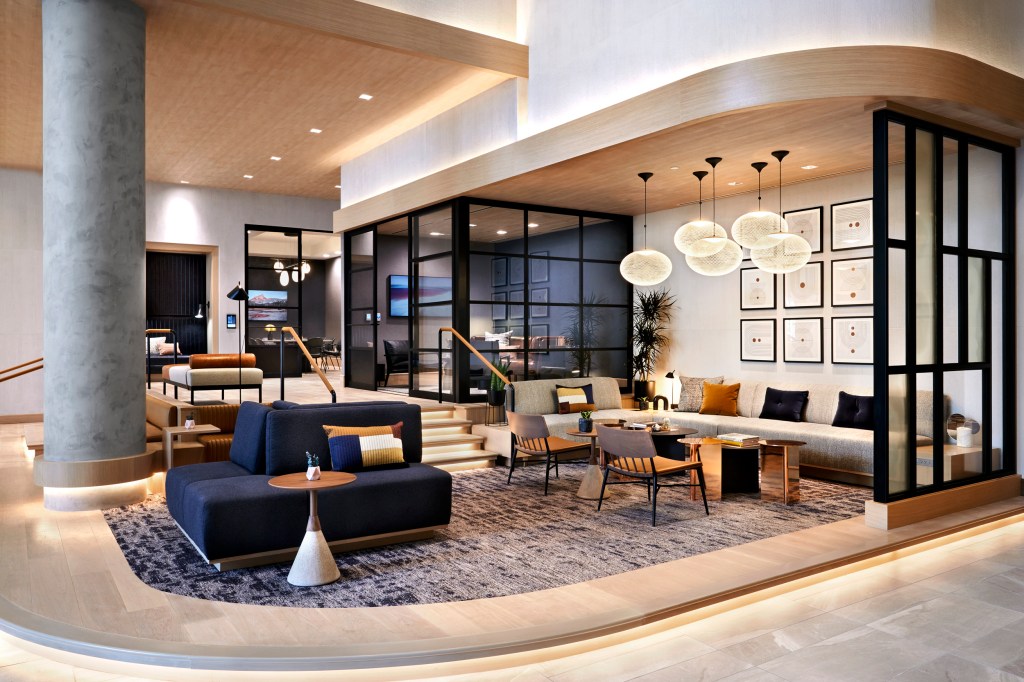
All this might be seen as coming at the worst possible time, as the Covid pandemic has decimated the hotel industry’s occupancy rates, revenue and cashflow for such costly renovations (Sheraton owners in North America alone could collectively spend up to $1 billion in upgrading to the new look!). However, while Marriott claims that the new look comes with efficiencies and cost benefits in the longer term, the hotel refreshes will take place according to existing renovation cycles in order to allow the hotels sufficient time to budget for the costs with the goal of having (a mere?) 40 renovations by the end of 2022. There is no set deadline for all the existing Sheraton hotels to adhere to the new brand standards even though some but some well-capitalized hotels are using this chance to renovate while guests stay away.
Sheraton’s new Look gives us a perfect example of what the Normative level of management decisions look like. First up, Sheraton’s (or rather Marriott’s) top executives realised the need for a brand refresh in order to continue to attract and be relevant for future groups of travellers such as millennials. Furthermore, they had to keep in mind the Sheraton brand’s broad reach catering to a wide variety of markets such as business, leisure and MICE (meetings, incentives, conventions and events), thus preventing it from having a too narrow focus or only attracting a niche group of travellers. And last, but by no means least, it has taken a pragmatic approach to brand standards (another key word when we talk about the Normative level of hotel management), ensuring that hotel owners have enough time to adhere to these new standards, especially in these times of crisis.
 Thorsten Edu